
How It Works
Shipping Container Types and Sizes: A Complete Guide
5 min read
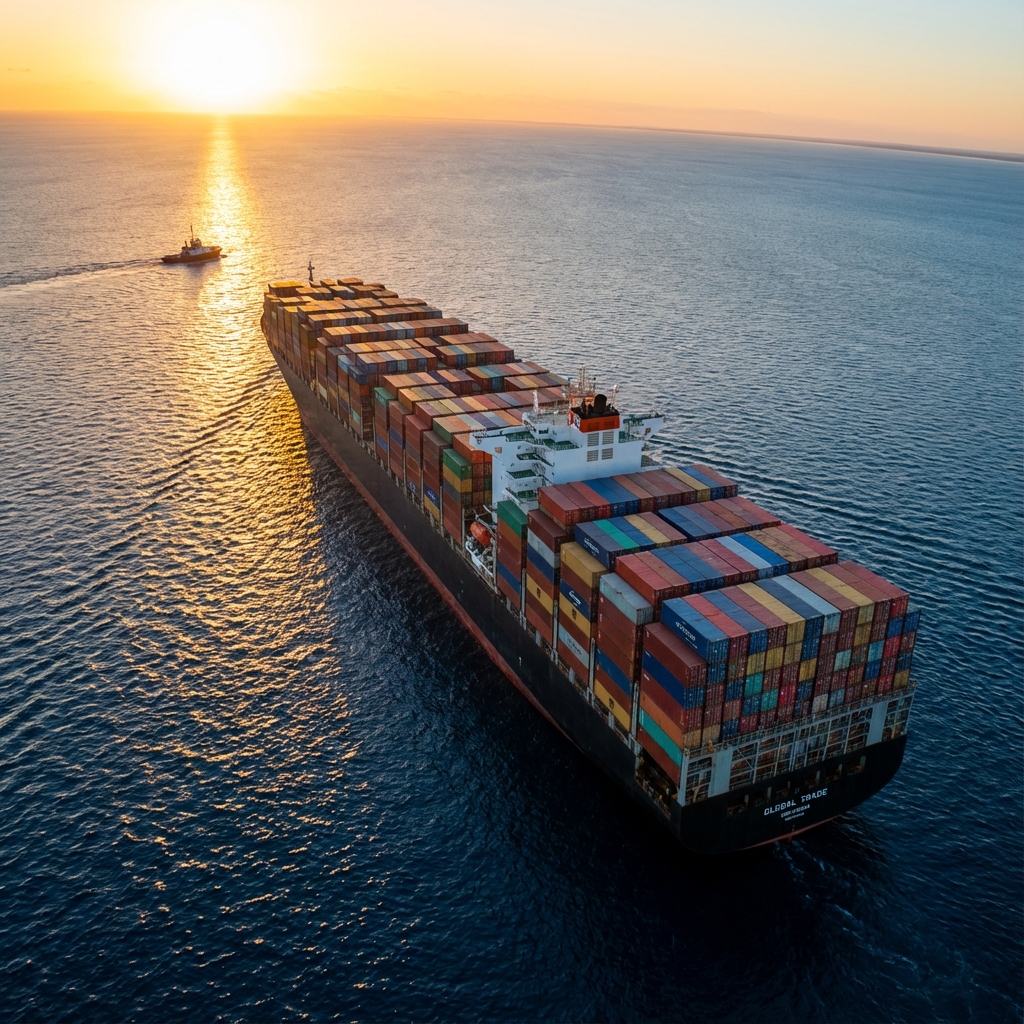
Choosing the right container is essential for protecting cargo and controlling cost. This guide covers the common container types and sizes used in ocean freight.
Standard dry containers
- 20ft standard: the workhorse for dense or heavy cargo (1 TEU).
- 40ft standard: double the length for larger volumes (2 TEU).
- 40ft high cube: a 40ft container with extra height for more volume.
Specialised containers
- Reefer: temperature-controlled for perishables and pharma.
- Open top: open roof for tall cargo loaded from above.
- Flat rack: collapsible sides for oversized or heavy machinery.
- Tank (ISO tank): for liquids, chemicals and gases.
Choosing the right one
Match the container to your cargo weight, volume, dimensions and handling needs. Dense cargo often suits a 20ft, while bulky cargo benefits from a 40ft high cube. Specialised cargo needs reefer, open top, flat rack or tank equipment.