
Ocean Freight
Ocean Freight Surcharges Explained
4 min read
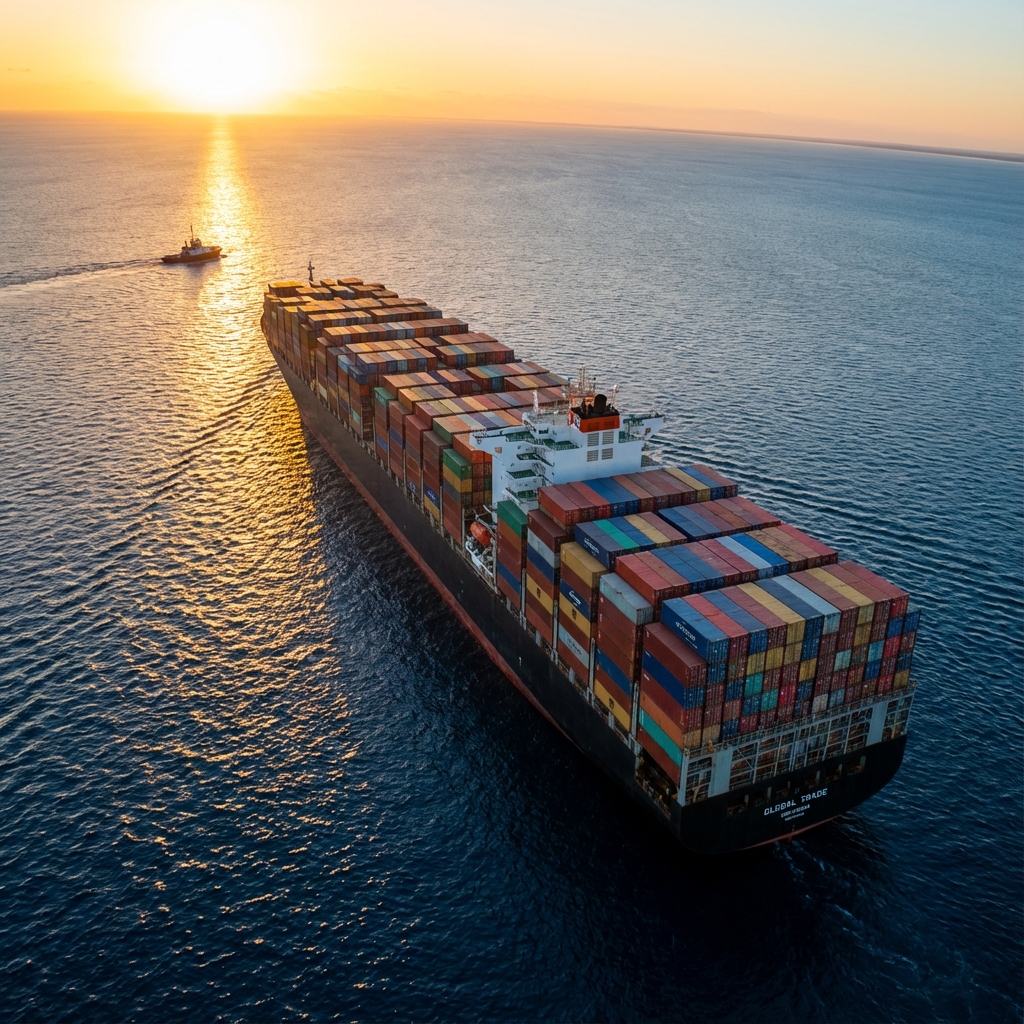
A quoted ocean freight rate is rarely the whole story. A range of surcharges can sit on top of the base rate, and understanding them helps you compare quotes fairly and avoid surprises.
Common surcharges
- BAF (Bunker Adjustment Factor): adjusts for marine fuel price changes.
- CAF (Currency Adjustment Factor): adjusts for exchange-rate movements.
- Peak-season surcharge: applied when demand is high.
- Congestion surcharge: applied at congested ports.
- Terminal handling charges (THC): for moving containers in the terminal.
How to compare quotes
Because surcharges vary, the headline freight rate can be misleading. Ask for an all-in quote that lists base freight plus surcharges and local charges, so you compare total cost rather than just the base rate.