
Land & Road Freight
Container Drayage Explained: Port and Rail Trucking
4 min read
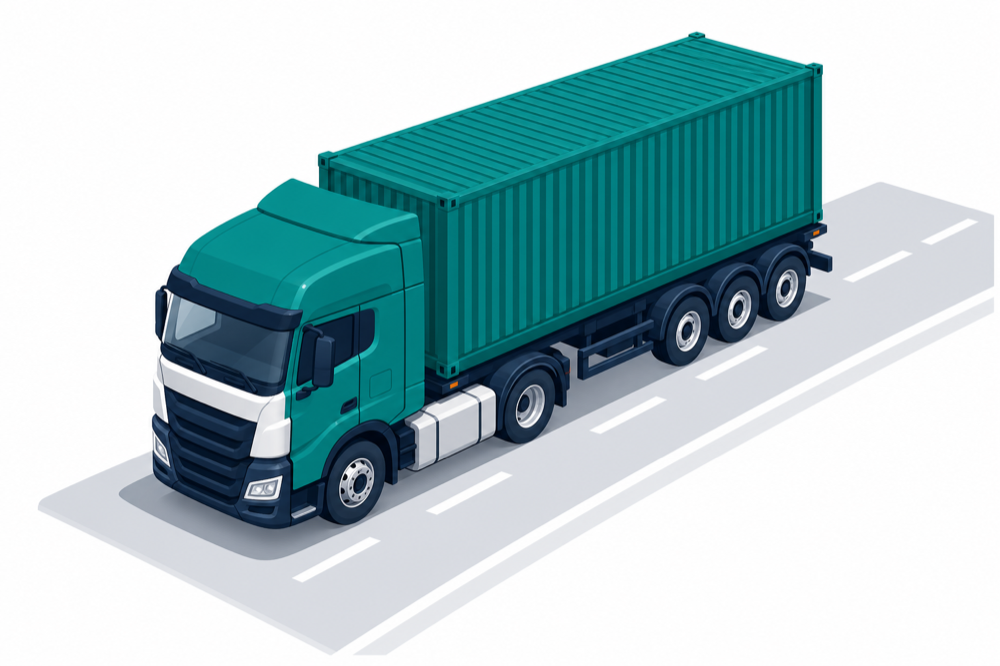
Drayage is the short-distance trucking of containers between a port or rail terminal and a nearby facility. It is a small leg of the journey but a critical one, and delays here often cause demurrage and detention charges.
Common drayage moves
- Port to warehouse or CFS after a container is discharged.
- Factory or warehouse to port for an export container.
- Port to rail terminal or ICD for an inland rail leg.
- Empty container return to the depot after unpacking.
Why drayage matters
Because containers sit in the terminal on limited free time, slow drayage can trigger demurrage (at the port) and detention (for holding the container too long). Reliable drayage and early planning keep these charges down and protect your transit time.